Are you interested in playing the Yugioh trading card game, but do not know where to start? In this article, we will provide you with some basics to build a solid deck.
Staples are cards that are generally considered essential for most decks. When building a deck, most players try to include as many staples as possible. Here are some of the commonly considered staples:
It is important to note that not all these cards are necessary for every deck. Players should choose the ones that best suit their playstyle and the deck they are building.
The engine is the heart of your deck, and it consists of cards that allow you to perform combos, summon boss monsters, and win games. Here are a few examples of engines:
Players should choose an engine that best fits their playstyle and their deck’s goals. Once they have the engine, they can refine it before moving to the tech cards.
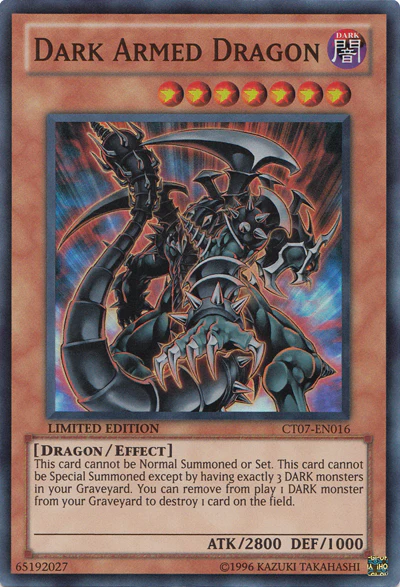
Tech cards are any non-archetypal cards that are used to keep the deck consistent or increase its win potential. Examples of tech cards include Dark Armed Dragon in a Blackwing deck or Magical Merchant in a Lightsworn deck. Tech cards should be chosen based on the player’s preferred playstyle and deck goals but it’s important for beginners to understand that these cards are situation-specific and may not be useful in every game. It’s better to focus on building a strong core of cards that work well together and can stand on their own, rather than relying on tech cards that may not see play.
The deck size is another crucial aspect of deck building. Most decks consist of 40-60 cards, and players should aim for the minimum deck size possible. A smaller deck size makes it easier to draw the cards they need. Beginners should stick to a single theme or strategy when building a deck and avoid trying to include too many different types of cards that don’t support the deck’s key focus. Trying to do too much with one deck can lead to inconsistency and weak gameplay so we recommend keeping around the 40 mark for your deck.
Drawing cards allows players to find the cards they need to execute their game plan, while deck thinning helps increase the consistency of drawing important cards players tend to use searching abilities to find specific cards they need in a given situation, increasing the flexibility of their deck. Trust in the heart of the cards!
Once you have built your deck, it is important to test it before taking it to a tournament. Testing your deck will help you identify its weaknesses and strengths, giving you an opportunity to refine your strategy. You can test your deck against other players or online using simulators like Dueling Nexus or YGOPro.
In conclusion, building a Yu-Gi-Oh deck can be overwhelming, but by following these simple guidelines, you can create a strong and consistent deck. Remember to choose the staples, an engine that suits your playstyle, and the right tech cards. Test your deck to refine it and make sure it meets your goals.
One Piece is a popular Japanese manga and anime series that has captured the hearts of fans all over the world. In addition to its various forms of media, it has also spawned a popular trading card game (TCG) that has captured the attention of many fans. In this article, we’ll take a closer look at the One Piece TCG, its popularity, its origins, and finish off with some tips on playing!
The One Piece TCG was first released in Japan in 2000, shortly after the manga series began serialization. It was created by Bandai, a company that has produced many popular TCGs, including the Dragon Ball Z and Naruto TCGs. The game was designed to be easy to learn and play, but also offered enough strategic depth to keep players engaged.
The One Piece TCG quickly gained popularity in Japan, thanks in part to the popularity of the manga and anime series. It featured a large cast of characters, each with unique abilities and personalities, which allowed players to build decks that suited their playstyle. The game also featured unique mechanics, such as the “Rebel” ability, which allowed players to break the game’s rules in specific situations.
The One Piece TCG’s popularity continued to grow, and it eventually made its way to other countries, including the United States. In 2005, the game was translated and printed in English by the American company, JoyRide Entertainment. The English version of the game was met with positive reviews and sold well, further increasing the game’s popularity.
The One Piece TCG is a collectible card game in which players build decks of cards representing characters, abilities, and events from the One Piece series. The game is played with two players, and the objective is to reduce the opponent’s life points to zero.
Players take turns playing cards and using abilities to attack and defend. Each card has a set of stats that determine its strength and abilities, and players must strategically use their cards to gain the upper hand. The game also features “Devil Fruits,” which are special cards that can give players additional powers or abilities.
If you’re looking to improve your skills as a One Piece TCG player, then there are four key fundamentals that you should focus on. We are now going to take a closer look at these areas in some detail and explain how you can use them to increase your win rate.
Attacking The first fundamental to focus on is attacking. In One Piece TCG, there are three different attack levels to be aware of: 5K, 6K, and 7K.
The most common of these is the 5K attack. This is when you use your leader to attack your opponent’s leader without attaching any Dawn or using any additional buff effects. It’s an effective strategy because you’re getting the most information possible without committing any actual resources to your attack.
The 6K attack is the least efficient attack in the game, as you’re committing resources and your opponent can still stop it by discarding one counter. Every deck runs 10 to 12 of these counters, so the 6K attack is the least effective option.
The 7K attack is the best attack to use in the mid to late game, as you’re committing minimal resources to your leader or one of your characters. When you attack your opponent’s leader with this level of attack, they’ll have to commit at least two cards to avoid taking a point of damage.
Sequencing The second fundamental to focus on is sequencing. This is all about the order in which you play your cards and execute your attacks. A good example of the importance of sequencing is the following scenario: you’re playing as Kid, and your opponent is playing as Zorro. Your opponent decides to attack your leader on their turn, after playing a Nico Robin card. Their attack lands, and you draw a Pawn Gibson for your life. You then trigger its effect to tap their Nico Robin. On your following turn, you attach two Dawn and make an efficient attack on their Nico Robin. They’ll have to use three cards to save it.
Card Advantage The third fundamental to focus on is card advantage. This is all about making sure that you have more cards in your hand than your opponent does. One way to do this is by making efficient attacks, as we discussed in the first fundamental. Another way to gain card advantage is by playing cards that allow you to draw additional cards, such as Nico Robin or Nami.
Deck Building The fourth and final fundamental to focus on is deck building. This is all about building a deck that’s optimized for your playstyle and the metagame. You’ll want to choose a leader that complements your playstyle, and then build a deck that has a good mix of characters, events, and supports. It’s also important to keep an eye on the metagame, and make changes to your deck as necessary to keep up with the current trends.
Lastly, we recommend that you playtest in person at your local game store or online with other players. The more you playtest, the better you’ll get at identifying the strengths and weaknesses of your deck, and the more confident you’ll be in your abilities as a One Piece TCG player. In conclusion, by focusing on these four fundamentals – attacking, sequencing, card advantage, and deck building – and by playtesting your strategies, you can become a better One Piece TCG player and increase your win rate.
Collecting sealed products, whether it’s Pokemon, Yu-Gi-Oh, Dragonball, or any other collectible item, has become a popular pastime for many individuals. In recent years, the value of sealed products has increased, leading many collectors to hold onto rare pieces and display them with pride. While there are certainly benefits to collecting sealed products, there are also some downsides to consider. In this article, we will explore the pros and cons of collecting sealed products, as well as discuss the trends and changes in the market.
One of the most notable trends in collecting sealed products is the growth of the Pokemon market. This franchise, which started as a video game in the late 1990s, has become a global phenomenon, with merchandise, trading cards, and other collectibles being released on a regular basis. The recent surge in the popularity of Pokemon collecting can be attributed to several factors.
Firstly, the release of the mobile game “Pokemon Go” in 2016 brought a new wave of fans to the franchise. This led to increased interest in other areas of the franchise, including the trading card game and collectible merchandise. Secondly, the COVID-19 pandemic has played a role in the growth of Pokemon collecting, as more people have been spending time at home and looking for new hobbies to pursue. Finally, the involvement of high-profile individuals, such as Logan Paul and music artists, has also contributed to the growth of the Pokemon market.
Logan Paul, a popular YouTuber and social media influencer, caused a significant increase in the popularity of Pokemon collecting when he started opening rare Pokemon cards on his YouTube channel in late 2020. This led to a surge in demand for Pokemon cards, as viewers sought to buy the same cards that Logan had opened on his channel. This increase in demand caused the value of many Pokemon cards to skyrocket, which led to some controversy within the community.
Some collectors felt that Logan Paul’s involvement in the hobby was detrimental to the authenticity and integrity of the Pokemon collecting community. Others felt that his involvement was a positive thing, as it brought new people to the hobby and increased the value of their collections. Ultimately, the controversy surrounding Logan Paul’s involvement in Pokemon collecting highlighted the tension between the desire to share and enjoy the hobby with others, and the desire to maintain its authenticity and value.
Despite certain downsides of collecting sealed products, there are many benefits to pursuing this hobby. For starters, collecting sealed products can be an enjoyable and rewarding experience. The thrill of opening a new pack or box and discovering a rare or valuable item is something that many collectors find exciting.
Collecting sealed products can also be a potentially lucrative investment. As the value of certain items increases over time, collectors can sell their collections for a profit. In some cases, the value of a particular item may increase significantly in a short amount of time, making it a valuable investment.
Finally, collecting sealed products can be a way to connect with other like-minded individuals. The collecting community is vast and diverse, with people from all walks of life coming together to share their love of collecting. This can lead to new friendships and connections that last a lifetime.
While there are certainly benefits to collecting sealed products, there are also some downsides to consider. For one, collecting sealed products can be an expensive hobby. The cost of individual items, as well as the cost of storage and display, can add up quickly.nCollecting sealed products can also be a time-consuming hobby. Finding rare or valuable items can take a lot of effort, as well as research and knowledge about the market. It can also be frustrating when items are released in limited quantities, making it difficult to obtain them.
Another potential downside of collecting sealed products is the risk of fraud or counterfeit items. As the value of certain items increases, there is a higher likelihood of counterfeit items entering the market. This can be a significant risk for collectors, as purchasing a counterfeit item can be a waste of money and can damage the overall value of a collection.
Finally, collecting sealed products can also be a source of stress or disappointment. Collectors may feel pressure to obtain rare or valuable items and may experience disappointment or frustration when they are unable to do so. In addition, fluctuations in the market value of certain items can also be a source of stress for collectors, as the value of their collection may be affected.
In addition to the growth of the Pokemon market and the influence of high-profile individuals, there are other trends and changes in the market for sealed products. For example, the rise of online marketplaces such as eBay and Etsy has made it easier for collectors to find and purchase rare or valuable items. However, it has also increased the risk of fraud and counterfeit items.
Another trend in the market is the focus on nostalgia. Many collectors are drawn to items from their childhood or teenage years and may be willing to pay a premium for these items. This has led to an increase in the value of older items, such as vintage Pokemon cards or classic Yu-Gi-Oh sets.
Finally, the rise of social media has also had an impact on the market for sealed products. Collectors can now connect with each other and share their collections on platforms such as Instagram and Facebook. This has created a sense of community within the collecting hobby and has also led to increased awareness and interest in the market.
Collecting sealed products can be an enjoyable and rewarding hobby, but it is not without its drawbacks. The growth of the Pokemon market and the involvement of high-profile individuals such as Logan Paul have contributed to the popularity of the hobby, but have also caused controversy and tension within the community. Collectors must be aware of the potential downsides of collecting sealed products, including the cost, time commitment, risk of fraud, and potential for disappointment. However, for those who are passionate about collecting, the benefits of the hobby can be well worth the effort.
Trading card games are popular collectibles that have been around for over a century. They come in different forms such as sports cards, trading cards, and simply collectible cards with well know brands such as Pokemon, Magic: The Gathering, Dragon Ball Z, Panini, Yu-gi-Oh, and many many more!
In the UK, grading your prized possessions has become increasingly popular over the last 3 years in particular with more and more collectors and enthusiasts finding the hobby again. There are still a lot of questions about how grading your cards work and the grading process itself. In this blog post, we will answer some of the most frequently asked questions about grading cards in the UK.
Grading is the process of evaluating a trading card’s condition and assigning it a grade based on a specific set of criteria. The condition of the card is evaluated on a scale from poor to mint, with poor being the lowest grade and mint being the highest. Grading provides collectors with an objective assessment of a card’s condition, which helps to determine its value.
There are several grading companies based in the USA that specialize in grading trading cards. These are the most popular companies worldwide for all collectors they are, PSA – Professional Sports Authenticator, BGS -Beckett Grading Services, and CGC – Certified Guaranty Company. (Please note that whilst these are the most popular worldwide there are many more UK-based grading services that are up and coming – we will be covering UK Based Grading Services in another article!)
Grading a card provides a number of benefits. First and foremost, it helps to establish the card’s value. A graded card is often more valuable than an ungraded card, particularly if it is graded high. Grading also helps to protect the card’s condition, as it is encapsulated in a tamper-evident holder. This prevents the card from being damaged or manipulated, which can negatively impact its value.
The cost of grading a card varies depending on the grading company and the card’s value. The cost typically ranges from £10 to £100, with higher fees for high-value cards. It is important to note that the cost of grading is in addition to any fees associated with shipping and insurance. Some services like PSA will charge a final value fee too, so be sure to be mindful of this when sending your cards off! You don’t want to be left short or have your prize cards irretrievable.
The turnaround time for grading a card depends on the grading company and the service level chosen. PSA, BGS & CGC offer different service levels, ranging from standard to express. Standard services typically can take between 30-45 days, while express services can take as little as 1-5 days. It is important to note that these turnaround times are subject to change and can vary depending on the grading company’s workload and most importantly where you are located in the world. These companies are based in the US therefore additional shipping time should always be considered!
While there are several grading companies that specialize in grading trading cards in the UK, many collectors still prefer to use American-based companies such as PSA, BGS, and CGC. However, using these companies can be complicated due to shipping, customs, and other logistical issues. This has led to the rise of middleman services in the UK, which acts as intermediaries between collectors and grading companies in the US.
One of the main challenges of using American-based grading companies is shipping. Shipping a card from the UK to the US can be expensive, and it can also take a long time to arrive. Additionally, there is a risk that the card could be lost or damaged in transit. To avoid these issues, many collectors in the UK choose to use middleman services. These services collect the cards from collectors in the UK, consolidate them into a larger shipment, and send them to the grading company in the US. Once the grading is complete, the cards are shipped back to the middleman in the UK, who then distributes them to the collectors.
Another complication of using American-based grading companies is customs. When cards are shipped from the UK to the US, they must go through customs, which can result in additional fees and delays. Additionally, some cards may be subject to import restrictions, which can make it difficult to send them to the US for grading. Middleman services are well-equipped to handle these issues, as they have experience navigating customs regulations and can ensure that the cards are properly declared and documented.
Due to the challenges of using American-based grading companies in the UK, several middleman services have emerged in recent years. These services act as intermediaries between collectors and grading companies, handling the shipping, customs, and logistics involved in the grading process. Some of the most popular middleman services in the UK include The Sub Center (Formerly Dan’s Pokestop), Black Label Grading, and Griffins Grading, among others. These services have built a reputation for providing reliable and efficient grading services, and they have become an essential part of the grading process for many collectors in the UK.
In conclusion, while American-based grading companies such as PSA, BGS, and CGC are popular among collectors in the UK, they can be complicated to use due to shipping, customs, and logistical issues. To overcome these challenges, many collectors in the UK choose to use middleman services, which act as intermediaries between collectors and grading companies in the US.
Determining the “best” card grading company in the UK is a subjective matter and can vary greatly depending on individual collector preferences and priorities. It’s important to note that grading companies themselves, like PSA, BGS, and CGC, are primarily based in the United States, not the UK. When it comes to grading cards in the UK, collectors often consider factors such as turnaround time, cost, reputation, and the specific services offered by middleman companies like Get Graded, The Sub Center, Ark Grading, and Black Label Grading, to name a few you can view a list of all recommended UK based middleman and grading services right here on our website! Each of these middleman services has its own set of advantages and drawbacks, and collectors may choose the one that aligns with their needs and expectations. We advise collectors to research and consider their options carefully before deciding on a grading service to ensure their cards are handled in the way that best suits their goals.
Role-playing games, or RPGs, are a type of game in which players take on the role of characters within a fictional world, typically with a set of rules and systems to guide gameplay. These games allow players to immerse themselves in a rich narrative and take on challenges that test their skills and decision-making abilities. RPGs have been around for several decades, and with the advancement of technology, the genre has expanded to include a wide range of styles, settings, and gameplay mechanics.
In this article, we will explore some of the most popular RPG brands to play both on and offline!
The Elder Scrolls is a series of action role-playing games developed by Bethesda Game Studios. The series began with the release of “The Elder Scrolls: Arena” in 1994 and has since grown to become one of the most iconic RPG franchises in the industry. The games take place in a high fantasy world called Tamriel, where players can explore vast open-world environments, engage in quests and battles, and develop their character’s abilities and skills.nThe most popular games in the series are “The Elder Scrolls III: Morrowind”, “The Elder Scrolls IV: Oblivion”, and “The Elder Scrolls V: Skyrim”. These games are known for their immersive worlds, deep lore, and customizable gameplay that allows players to create unique characters and play styles.
Final Fantasy is a series of role-playing games developed by Square Enix. The series began in 1987 and has since released over 30 titles, including spin-offs and remakes. The games take place in various fictional worlds, each with their unique storylines and characters.nThe most popular games in the series are “Final Fantasy VII”, “Final Fantasy X”, and “Final Fantasy XIV”. These games are known for their compelling narratives, memorable characters, and turn-based combat systems. They also feature a variety of side quests and minigames, allowing players to explore and engage with the game’s world beyond the main storyline.

World of Warcraft is a massively multiplayer online role-playing game (MMORPG) developed by Blizzard Entertainment. The game was released in 2004 and has since become one of the most successful and influential games in the genre. World of Warcraft takes place in the world of Azeroth, where players can create characters and explore a vast world filled with quests, dungeons, and other players.
The game is known for its addictive gameplay, social aspects, and regular updates that add new content and features. Players can choose from a variety of races and classes, each with their abilities and skills, and engage in PvP battles, PvE challenges, and other activities.nNew and Upcoming RPGs
In addition to these popular RPG brands, there are also several new and upcoming RPGs worth checking out. Here are a few examples
Digital RPGs have been a beloved genre in the gaming industry for many years!
Pen and paper RPGs, also known as tabletop RPGs, are a type of role-playing game that is played with a group of players and a game master (GM). The players create characters and interact with the game world through spoken communication, dice rolls, and the use of character sheets that record their abilities, skills, and inventory. The game master acts as a referee, describing the game world, setting challenges and obstacles for the players to overcome, and adjudicating the outcomes of the player’s actions.
Tabletop RPGs can be played using a variety of rulebooks and systems, with each game providing its unique settings, themes, and mechanics. Some of the most popular tabletop RPGs include:
Dungeons & Dragons (D&D) is the most well-known tabletop RPG, created in 1974 by Gary Gygax and Dave Arneson. The game takes place in a high fantasy world of sword and sorcery, where players can create characters such as elves, dwarves, and wizards, and embark on epic quests filled with danger and adventure.
D&D has evolved over the years, with the latest edition being the 5th edition (5e), released in 2014. 5e is designed to be more accessible to new players, with streamlined rules and mechanics that emphasize storytelling and creativity.

Pathfinder is a tabletop RPG developed by Paizo Publishing, initially as a variant of D&D’s 3.5 edition rules. The game takes place in a high fantasy world of magic and monsters, where players can create characters and engage in adventures that can range from battling goblins to exploring ancient ruins.nPathfinder has gained popularity for its vast array of player options and customization, allowing players to create unique characters and play styles. The game has been successful enough to spawn its edition, Pathfinder Second Edition, released in 2019.
Call of Cthulhu is a tabletop RPG based on the works of author H.P. Lovecraft. The game takes place in a horror-themed world of eldritch monsters and cosmic horror, where players can create characters who investigate and battle against supernatural forces.
Call of Cthulhu has gained popularity for its unique setting, investigative gameplay, and emphasis on psychological horror. It uses a percentile system for resolving actions, which is simpler and more accessible than some other tabletop RPGs.
In conclusion, tabletop RPGs provide a different experience from digital RPGs, offering players a chance to use their imagination, social skills, and creative problem-solving abilities in a collaborative and dynamic setting. The games mentioned above are just a few examples of the many tabletop RPGs available, with each providing its unique gameplay and storytelling opportunities.
Trading cards are highly valued by collectors and enthusiasts, and they are often treated with great care and attention. For many, these cards are not just a hobby, but a serious investment that requires preservation and protection.
Whether you’re a seasoned collector or a newcomer to the world of trading cards, protecting your collection is of the utmost importance. In this article, we’ll explore the reasons why trading cards should be protected, the various methods of protection available, and some of the most popular companies that specialize in card protection.
Trading cards are often seen as valuable commodities that can appreciate in value over time. As such, they need to be protected from various factors that can damage or decrease their value. Here are some reasons why it’s important to protect your trading cards:
There are various methods of protecting trading cards, each with its own advantages and disadvantages. Here are some popular methods:
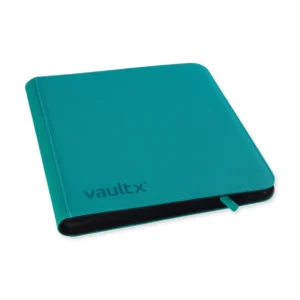
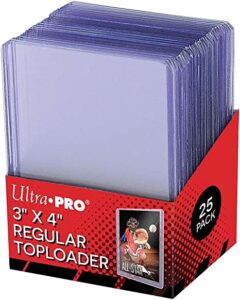
There are many companies that specialize in card protection, each offering unique features and advantages. Here are three of the most popular:


If you’re in the UK and looking to purchase trading card protection products from Ultra Pro, Ultimate Guard, or Vault X, there are several options available to you. Here are some of the top UK retailers for trading card protection products:n
When purchasing from any of these UK retailers, you can expect to receive high-quality products from trusted brands. Each of these retailers has a solid reputation and a track record of providing excellent customer service. They also offer a wide range of products at competitive prices, making it easy to find the perfect protection products for your trading card collection.
In summary, protecting your trading cards is an essential part of collecting and maintaining their value. There are several methods of protection available, and companies like Ultra Pro, Ultimate Guard, and Vault X offer a range of high-quality products to suit your needs. If you’re in the UK, retailers like Magic Madhouse, Totalcards, and Chaos Cards offer a wide selection of trading card protection products, along with great customer service and competitive pricing. By investing in the right protection products and choosing the right retailers, you can ensure that your trading card collection stays in top condition for years to come.
Grading services for collectibles, in particular, Trading Cards have become increasingly popular over the years, with collectors and investors seeking to determine the condition and value of their cards. Some of the most well-known grading services in the industry include PSA, Beckett, CGC, and in the UK Getgraded. In this article, we will break down each of these services and discuss their turnaround times, services, and impact on card values. We will then recommend UK middleman services you can use to get your cards graded!
 PSA is one of the most popular grading services in the industry, known for its rigorous grading standards and authentication processes. PSA offers grading for a variety of sports cards, including baseball, basketball, football, hockey, and soccer, as well as non-sports cards, such as Pokémon and Magic: The Gathering.
PSA’s turnaround times can vary depending on the service level chosen. Their standard service has a turnaround time of approximately 20 business days, while their express service has a turnaround time of approximately 10 business days. For a higher fee, PSA also offers a super express service with a turnaround time of approximately 5 business days. (Based on USA location)
In addition to grading, PSA offers authentication and encapsulation services, as well as card restoration services. PSA-graded cards are highly respected in the industry and often command premium prices.
 Beckett Grading Services is another well-known grading service in the industry, specializing in sports cards and collectibles. Beckett offers grading for a variety of sports cards, including baseball, basketball, football, hockey, and soccer, as well as non-sports cards such as Pokémon and Yu-Gi-Oh!
Beckett’s turnaround times vary depending on the service level chosen. Their standard service has a turnaround time of approximately 20 business days, while their express service has a turnaround time of approximately 10 business days. For a higher fee, Beckett also offers a 2-day service with a turnaround time of approximately 2 business days. (Based on USA location)
In addition to grading, Beckett offers authentication and encapsulation services, as well as autograph authentication services. Beckett-graded cards are also highly respected in the industry and can command premium prices.
 CGC is a grading service specializing in collectible trading cards, including sports cards, Pokémon, and Magic: The Gathering. CGC’s grading process involves not only evaluating the condition of the card but also verifying its authenticity.nCGC’s turnaround times vary depending on the service level chosen. Their standard service has a turnaround time of approximately 20 business days, while their express service has a turnaround time of approximately 10 business days. (based on USA location)
For a higher fee, CGC also offers a walk-through service with a turnaround time of approximately 2 business days.
In addition to grading, CGC offers encapsulation services and a buyback program for certain high-value cards. CGC-graded cards are highly respected in the industry and can command premium prices, particularly for Pokémon cards.
 Getgraded is a newer grading service in the industry, offering grading for sports cards, Pokémon, and Magic: The Gathering. Getgraded’s grading process involves evaluating the condition of the card, as well as verifying its authenticity and identifying any potential alterations.
Getgraded’s turnaround times vary depending on the service level chosen. Their standard service has a turnaround time of approximately 20-30 business days, while their express service has a turnaround time of approximately 10-15 business days.
In addition to grading, Getgraded offers encapsulation services and a registry program for collectors to showcase their graded cards. While Getgraded is a newer grading service and the general value given to the cards is far less than those USA companies, their graded cards have been gaining in popularity in the industry, especially to those who are based in the UK and are newer to the grading scene – Getgraded will provide you the perfect entry point for getting a taste for grading.
In general trading card grading has become increasingly popular over the years, with many collectors and investors seeking the services of grading companies to determine the condition and value of their cards. Here are some opinions from famous people and industry professionals who have firsthand experience with these companies:
Steve Aoki is a well-known DJ and music producer who has recently become involved in the trading card industry as a collector and investor. Aoki has used the services of CGC for his Pokémon card collection and has spoken about his experiences with the company. In a recent interview with Cardboard Connection, Aoki stated:
“I love CGC. They’re really taking over the Pokémon market. I think their encapsulation process is better than the other companies, and they have a great reputation in the industry.”
Aoki’s opinion highlights the fact that different grading companies may have strengths in specific areas or with specific cards, and that collectors should do their research before choosing a grading company.

Gary Vaynerchuk is a well-known entrepreneur and collector who has spoken extensively about the importance of grading in the trading card industry. In a recent interview with Sports Collectors Daily, Vaynerchuk stated:
“Grading is important because it makes it easy to quantify the condition of a card. It adds an objective element to the valuation process, which can be subjective when done by just looking at the card.”
Vaynerchuk is a proponent of PSA grading in particular and believes that it adds value to the cards that are graded by the company.
Rob Bertrand is the host of Sports Card Nation, a podcast dedicated to the trading card industry. Bertrand has used the services of multiple grading companies, including PSA and Beckett, and has discussed his experiences on his podcast. In a recent episode, Bertrand stated:
“I’m a big fan of PSA grading. I think they’re the gold standard in the industry. But I’ve also had good experiences with Beckett and CGC. It really depends on the card and what you’re looking for.”
Bertrand’s opinion highlights that different grading companies may be better suited for other cards or collectors, and that personal preference plays a role in the decision-making process.
Are you based in the UK and looking to get your cards graded? There are several middleman services based in the UK that collectors can use to send their cards to grading companies out in the USA. Here are some of the most well-known UK-based middleman services:
Dan’s Pokestop is a UK-based middleman service that specializes in grading and authenticating Pokemon cards. The company offers grading options from PSA, Beckett, and CGC and provides authentication services for ungraded cards.

Dan’s Pokestop has gained popularity in the UK market for its fast turnaround times, typically ranging from 5-20 days for most submissions. The company also offers card cleaning and encapsulation services.
Dan’s Pokestop is increasingly becoming a huge hit with UK-based Pokemon collectors and has worked extremely hard at building its brand, community, and following on social media. You can see live openings of your graded card returns as well as community ‘box breaks’ and ‘pack openings’ from time to time. Head over to Dan’s Pokestop and follow their Facebook group here!
Griffin’s Grading is a UK-based middleman service that offers a range of grading options, including PSA and CGC. The company has gained a reputation for its competitive pricing and fast turnaround times, with a standard service of 15 working days for most submissions. Griffin’s Grading also offers a variety of additional services, including card cleaning and encapsulation. Head over to Griffin’s Grading and follow their Facebook group here!
UK Graders is a UK-based middleman service that offers a range of grading options, including PSA, Beckett, and CGC. The company offers a professional grading service, with a team of experienced graders who examine each card to determine its condition and grade. UK Graders also offers a variety of additional services, including card cleaning, restoration, and encapsulation. The company has a strong reputation in the UK market and has been praised for its fast turnaround times and quality of service.
Black Label Grading is a relatively new grading company that has gained popularity in the collecting community for its high-quality and precise grading standards. They are UK based Middle-man service and the company specializes in a variety of collectible cards, particularly Pokemon cards, and offers a unique 10-point grading scale that includes subgrades for centering, edges, corners, and surfaces. Black Label Grading has gained a reputation for its strict grading standards, and cards that receive a Black Label grade are highly sought after and can command a premium in the market.
In addition to its grading services, Black Label Grading also offers a variety of additional services, including card cleaning, encapsulation, and storage options. The company has also launched a unique loyalty program that rewards customers with points for each submission, which can be redeemed for discounts on future orders.
One of the unique features of Black Label Grading is its online submission process, which allows customers to easily submit their cards for grading and track the progress of their orders through the company’s website. The company also offers a relatively fast turnaround time, with a standard service of 20 business days for most submissions.
Ark Grading is a UK-based grading company that specializes in sports and gaming cards, with a focus on Pokemon and Yu-Gi-Oh! cards. Their specialty is grading with PSA.
In addition to its grading services, Ark Grading also offers middle-man services for customers who want to submit their cards for grading to one of the major grading companies, but don’t want to deal with the logistics of sending the cards themselves. As a middle-man service, Ark Grading helps customers prepare their cards for grading, then sends the cards to the grading company on their behalf. The company also handles the return of the graded cards once they are complete.
One of the unique features of Ark Grading’s middle-man service is its competitive pricing, which the company claims is among the most affordable in the UK market. Additionally, the company offers a range of other services to customers, including card cleaning, restoration, and encapsulation.
Overall, Ark Grading is a popular choice for collectors looking for cost-effective grading services, as well as a reliable middle-man service in the UK market. The company’s focus is on Pokemon and Yu-Gi-Oh! cards may be particularly appealing to collectors of those specific card types.
Disney’s Lorcana is an up-and-coming trading card game (TCG) that is capturing the attention of players everywhere. The game is set in the magical world of Lorcana, where players take on the role of powerful sorcerers and embark on an epic journey to collect magical artefacts and defeat their opponents.
One of the key features of Lorcana is its unique card design. Each card in the game is illustrated with stunning artwork, depicting characters and creatures from the world of Lorcana. The game also features a wide variety of card types, including creatures, spells, and artifacts, each with its own unique abilities and effects.
Another great aspect of Lorcana is its strategic gameplay. Players must carefully select their cards and use them in combination with other cards in order to gain an advantage over their opponents. The game also features a variety of different game modes, including casual play, tournament play, and even an online multiplayer mode.
One of the most exciting aspects of Lorcana is its growing competitive scene. Players from around the world are competing in tournaments and online matches, and the game is quickly becoming a popular choice for competitive players. As the game continues to grow in popularity, it is sure to attract even more players to the competitive scene.
Overall, Lorcana is a fantastic TCG that offers a unique blend of stunning artwork, strategic gameplay, and exciting competitive opportunities. Whether you’re a casual player looking for a fun new game, or a competitive player looking for a new challenge, Lorcana is definitely worth checking out. Furthermore, the first Disney Lorcana cards are already fetching high prices, suggesting a rise in popularity comparable to that of Magic and Pokémon.
This is bound to be a big hit with the collectors out there too!
Flesh & Blood is a trading card game (TCG) that has quickly gained popularity among players due to its unique mechanics, dynamic gameplay, and immersive storyline.
One of the things that sets Flesh & Blood apart from other TCGs is its use of resource management. Instead of relying solely on a traditional mana system, players must also manage their resources in the form of gold and reputation. This adds an extra layer of strategy and decision making to the game, as players must carefully balance spending their resources to acquire new cards and upgrading existing ones.
Another key feature of Flesh & Blood is its use of hero characters. Each player chooses a hero to represent them in the game, and each hero has their own unique abilities and playstyle. This adds a level of personalization and replayability to the game, as players can experiment with different heroes and discover new strategies.
Flesh & Blood also boasts a rich and immersive storyline. The game takes place in the fantasy world of Rath, where players take on the role of powerful warriors vying for power and glory. The game’s lore and artwork are top-notch, immersing players in the world of Rath and making the gameplay feel all the more engaging.
In addition, the game’s developers, StarCityGames, are dedicated to supporting and expanding the game. They are constantly releasing new sets of cards and hosting tournaments, allowing players to keep discovering new strategies and ways to play.
Overall, Flesh & Blood is a TCG that offers a unique and dynamic gameplay experience, a rich and immersive storyline, and a dedicated developer. It’s a great game for both new and experienced players, and it’s definitely worth checking out.
Weiss Schwarz is a popular trading card game that originated in Japan. The game is known for its unique mechanics and the use of characters from popular anime and manga series.
In more recent years the trading card game is becoming even more popular due to the collectors market and the value in certain cards across the various brands that Weiss Schwarz put together including: Marvel, Star Wars, Pixar to name a few of the bigger brands more well known to us on the English markets. Many collectors are opting to Grade ‘chase’ cards with the likes of Beckett Grading Services due to demand and increasing value.
One of the most popular products in the Weiss Schwarz line is the booster pack. These packs contain random cards from a particular set, allowing players to expand their collection and try to obtain rare or hard-to-find cards.
Another popular product is the trial deck. These decks come with a pre-determined set of cards and are designed to be a starting point for new players. They provide a solid foundation for players to build their collection and learn the mechanics of the game.
The Weiss Schwarz line also includes special edition boxes and sets. These often feature exclusive cards and artwork and are highly sought after by collectors.
In terms of popular anime and manga series that have cards in Weiss Schwarz, the most notable one is Fate/Stay Night, which has several different sets of cards that feature characters and scenes from the series. Other popular series include Love Live!, Attack on Titan, Sword Art Online, and many more. Popularity can be subjective and depend on different factors such as player preferences, tournament results, player’s budget, etc. But most of these Weiss Schwarz brands are generally well-regarded by players and collectors, based on their popularity and impact on the game.
Overall, Weiss Schwarz offers a wide variety of products for both casual and competitive players. Whether you’re looking to build a collection or compete in tournaments, there’s something for everyone in the Weiss Schwarz line.